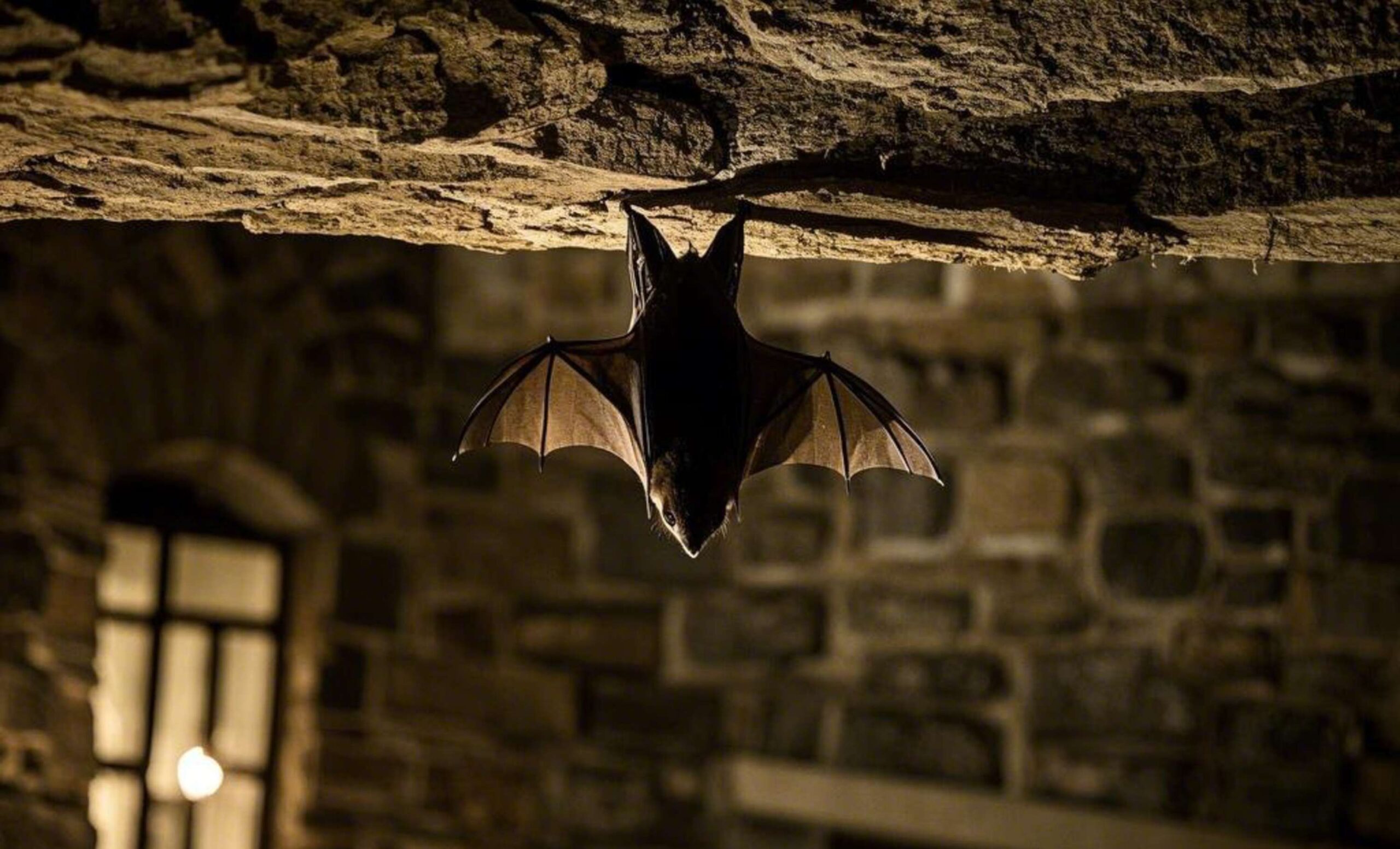
Emergency wildlife removal at night applies when a situation presents immediate risk to occupants or property. This usually means direct contact with an animal inside the living space, aggressive behavior, or structural damage happening in real time. The response must stabilize the situation, secure occupants, and control the animal’s movement. Aspen Wildlife Control handles these calls with rapid containment protocols adapted to nighttime conditions.
Situations that require immediate nighttime intervention
A true emergency involves active danger, not just noise. A raccoon entering a bedroom or a bat flying inside a living area requires immediate action. These situations create unpredictable movement and potential contact.
Another urgent case involves aggressive behavior. A skunk trapped indoors may spray defensively. A raccoon cornered in a kitchen can react quickly if approached.
Structural breaches also qualify. For example, an animal forcing its way through a ceiling or breaking a vent during the night exposes insulation and wiring instantly.
Finally, visible injury or abnormal behavior raises concern. In such cases, risk increases because the animal may act unpredictably.
What happens during a real emergency response
Emergency wildlife removal starts with immediate containment. Occupants are directed to isolate themselves from the animal. Doors are closed to limit movement zones. Next, the technician identifies the animal’s position without triggering panic behavior. Lighting, noise, and space are controlled carefully.
Then, direct removal takes place. Depending on the situation, tools or controlled capture methods are used to secure the animal quickly. Once the animal is removed, temporary sealing prevents re-entry. This step is critical because the same access point remains vulnerable.
In practice, the best control solution for wildlife problems relies on fast containment combined with immediate access sealing.
Actions to avoid during a nighttime incident
Certain reactions escalate risk. Trying to chase an animal often forces it deeper into confined spaces. This increases damage and complicates removal.
Opening multiple exits can also spread the problem. Instead of leaving, the animal may move unpredictably between rooms.
Handling the animal directly creates immediate danger. Even a small bite or scratch can require medical attention.
In addition, delaying intervention after a direct encounter often leads to repeat incidents within the same night.
How Aspen Wildlife Control stabilizes urgent situations
Aspen Wildlife Control responds to emergency wildlife removal with a focus on control and safety. Their approach prioritizes rapid isolation of the animal and protection of occupants.
In Gatineau, many nighttime calls involve attics, kitchens, or basements. Each environment requires a different containment strategy. Their teams adapt based on the species and behavior observed on site. A bat inside a home is handled differently than a raccoon moving through living areas. They also secure the entry point immediately after removal. This prevents the situation from restarting hours later.
If an animal enters your living space at night or shows aggressive behavior, contact Aspen Wildlife Control to secure the situation quickly and avoid escalation.